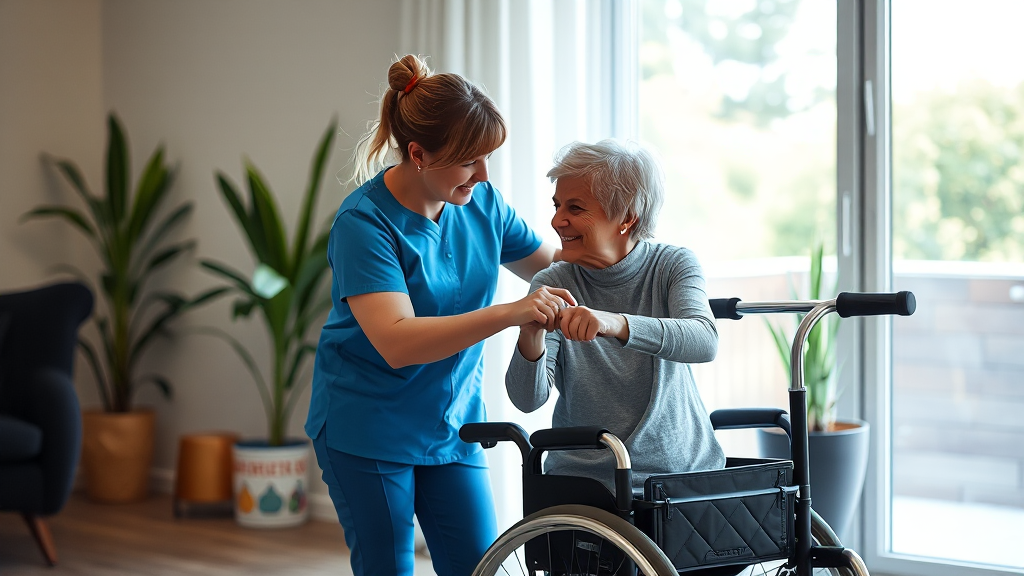
How a Fitness Centre Enhances Disability Care and Daily Living
How a Fitness Centre Enhances Disability Care and Daily Living
For many people living with a disability, staying physically active is not just about building strength—it is about maintaining independence, managing health conditions, and enjoying a better quality of life. A well-equipped Fitness Centre can be a powerful ally in this journey, especially when it is designed with accessibility in mind. In this article, we explore how fitness facilities, when integrated with tailored support services, can transform the daily experience of NDIS participants. We will also look at the role of allied health professionals, the importance of community participation, and how choosing the right support network in Melbourne can make all the difference.
Why Fitness Matters for People with Disability
Regular exercise offers numerous benefits for individuals with disability, ranging from improved cardiovascular health to better mental well-being. Engaging in physical activity can help manage chronic conditions such as diabetes, obesity, and hypertension, which are more prevalent among people with disabilities. Moreover, strength training and flexibility exercises can enhance mobility, reduce the risk of falls, and support independent living. For those receiving Disability Care Services, incorporating a fitness routine into their daily plan can lead to greater confidence and autonomy.
Adaptive Fitness Programs and Accessibility
A truly inclusive Fitness Centre goes beyond just having a ramp at the entrance. It offers adaptive equipment, trained staff, and programs tailored to various abilities. For example, resistance machines with easy-to-use controls, wheelchair-friendly exercise stations, and sensory-friendly workout areas are essential. Additionally, group classes led by instructors who understand different disabilities can foster a sense of belonging and motivation. When fitness centres collaborate with Registered NDIS providers, they can create individualized plans that align with each participant’s goals, whether that is improving upper body strength or increasing endurance for daily tasks.
The Role of Allied Health Professionals
Allied health professionals play a crucial role in ensuring that exercise is safe and effective for people with disability. Physiotherapy can help design rehabilitation programs, while Occupational Therapy focuses on adapting activities to daily living. Exercise Physiology is particularly valuable, as it involves prescribing exercise as medicine for chronic conditions and disabilities. These experts can work alongside fitness centre staff to monitor progress and adjust routines as needed. For those who cannot visit a facility in person, Telehealth consultations provide remote guidance, ensuring continuity of care.
Integrating Fitness with NDIS Daily Living Support
For NDIS participants, fitness is often part of a broader plan that includes NDIS Daily Living support. Daily living support can involve assistance with personal care, meal preparation, and household tasks—all of which require physical stamina. By incorporating regular exercise into their routine, participants can build the strength needed to perform these activities more independently. A Provider Melbourne like Caring Hearts understands this connection and offers Supported Independent Living arrangements that encourage healthy habits. Their team can coordinate with fitness centres and allied health providers to ensure that physical activity is seamlessly integrated into daily schedules.
Community Participation and Social Connection
Fitness centres are not just places to work out—they are social hubs where people can connect with others. For individuals with disability, participating in group exercise classes or gym-based social events can significantly reduce feelings of isolation. NDIS Community Participation Social activities often include visits to local fitness facilities, providing opportunities to make friends and build a support network. Community Participation Support workers can accompany participants to these sessions, offering encouragement and assistance as needed. This not only promotes physical health but also boosts mental well-being.
Specialised Disability Accommodation and Fitness
For those living in Specialised Disability Accommodation, having access to on-site or nearby fitness facilities is a major advantage. Many modern SIL homes are designed with exercise areas or are located close to community gyms. This proximity encourages residents to incorporate physical activity into their daily routines. Furthermore, staff at these accommodations can provide Personal Care that includes assistance with changing into workout gear, preparing water bottles, and ensuring safety during exercise. For those who require more intensive support, High Intensity Care teams can be trained to handle specific medical needs during workouts.
Day Programs and Fitness Activities
Many NDIS providers offer Day Programs that incorporate fitness and wellness activities. These programs might include guided stretching sessions, adapted sports, or even hydrotherapy. For participants who thrive in a structured environment, day programs provide a safe space to explore different types of exercise. They also offer respite for family caregivers, knowing their loved ones are engaged in beneficial activities. A reputable provider like Caring Hearts designs day programs that balance fun with functional fitness goals, often partnering with local fitness centres to offer variety.
Psychological Support and Motivation
Starting and maintaining an exercise routine can be challenging, especially when dealing with the emotional aspects of disability. Psychological Support is essential to address anxiety, depression, or lack of motivation. Counsellors and psychologists can work with participants to set realistic goals, overcome mental barriers, and celebrate achievements. They can also collaborate with fitness instructors to create a positive, encouraging atmosphere. For those in the Dandenong area, (Dandenong) residents have access to services that combine psychological care with physical training, ensuring holistic well-being. NDIS Provider
Allied Health Services and Fitness Centre Collaboration
The integration of NDIS Allied Health Services with fitness centre programs can lead to outstanding outcomes. For example, a speech pathologist might work with a participant on swallowing exercises that are easier to perform after a warm-up. An occupational therapist might recommend specific gym equipment that mimics daily tasks, such as reaching for high shelves. Exercise physiologists can design circuits that improve cardiovascular endurance, which is vital for 24-hour care / disability support recipients. This multidisciplinary approach ensures that every aspect of a person’s health is addressed.
Respite Care and Fitness
Respite care offers family caregivers a much-needed break while ensuring their loved ones continue to receive support. Respite Care can be short-term or medium-term, and it often includes access to recreational activities like fitness classes. During a respite stay, participants might visit a local gym or have a personal trainer come to the facility. This not only keeps them active but also provides new experiences. For those who need assistance with planning their NDIS funding, NDIS Support Coordination can help arrange fitness-related services within their budget.
Specialised Services for All Ages
Fitness is important for every age group, including pediatrics. Children with disabilities benefit from active play and adapted sports, which support motor skill development and social interaction. Fitness centres that offer pediatric programs often have equipment suited for smaller bodies and staff trained in child-friendly coaching. For adults, maintaining fitness can delay the onset of age-related conditions. Providers like Caring Hearts offer a range of services, from Speech Pathology to Psychology/Counselling, ensuring that all health needs are met alongside physical training.
How to Choose the Right Fitness Centre and Support Provider
When selecting a fitness centre, consider factors such as accessibility, staff training, and the availability of adaptive equipment. It is also important to find a centre that welcomes people of all abilities and fosters an inclusive culture. Equally crucial is choosing an NDIS provider that prioritizes your overall well-being. Look for a provider that offers Daily Living Support and is willing to coordinate with your fitness goals. A provider with experience in NDIS Daily Living and community engagement will be better equipped to support you holistically.
Conclusion
In summary, a Fitness Centre can be much more than a place to exercise—it is a cornerstone of a healthy, independent lifestyle for people with disability. By working with a dedicated NDIS provider that values collaboration with allied health professionals and community resources, participants can achieve their fitness goals while enjoying greater autonomy. Whether you are seeking supported independent living, day programs, or simply want to stay active, integrating fitness into your care plan is a step toward a brighter future. Remember, the journey to wellness is unique for each individual, and with the right support, anything is possible.
Frequently Asked Questions
Can I use my NDIS funding to join a fitness centre?
Yes, NDIS funding can be used for fitness-related supports if they are deemed reasonable and necessary to help you achieve your goals. This might include gym memberships, personal training sessions, or exercise physiology services. It is best to discuss your needs with your support coordinator or plan manager to see how fitness can be included in your plan.
What should I look for in an accessible fitness centre?
Look for features such as step-free access, wide doorways, accessible changing rooms, and adaptive equipment. Staff should be trained to assist people with various disabilities. It is also helpful to visit the centre beforehand to see if it meets your specific needs.
How can a fitness routine be incorporated into my daily living support?
Your support workers can help you schedule time for exercise, assist with transportation to the gym, and provide motivation. They can also work with your allied health team to ensure your workout routine aligns with your daily living goals.
Are there fitness programs specifically for children with disabilities?
Yes, many fitness centres offer pediatric programs that focus on motor skills, coordination, and social interaction. Occupational therapists and physiotherapists can also design home-based exercise routines for children. Always consult with a healthcare professional before starting any new exercise program for your child.